Faja Stages Explained: Your Recovery Guide to Colombian Compression Wear
By bellabeautymallbbm@gmail.com · September 23, 2026 · 8 min read
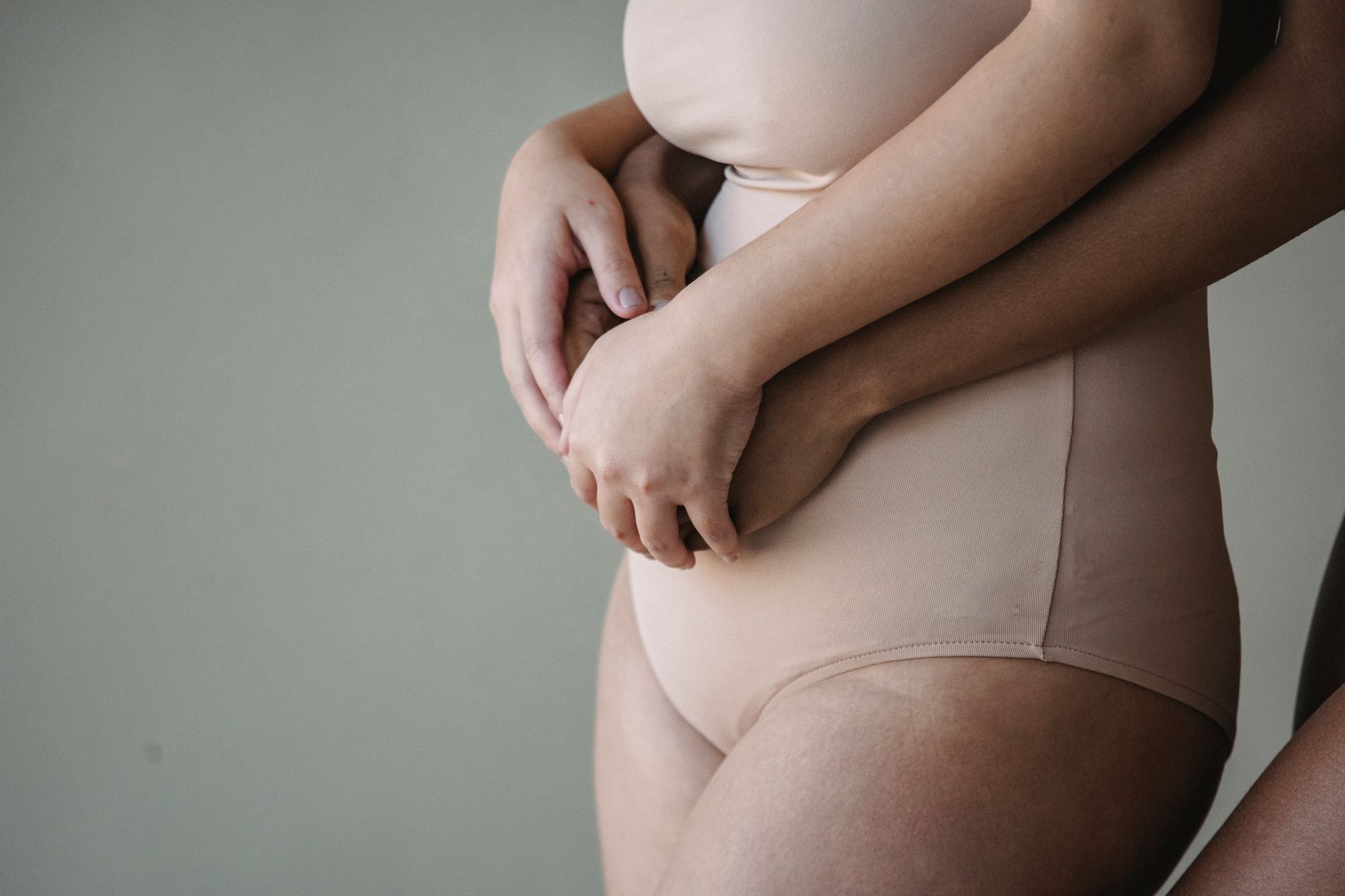
Faja Stages Explained: Your Guide to Choosing the Right Compression Wear
If you’re recovering from surgery—or simply exploring how compression wear can support your body’s natural healing process—understanding the faja stages explained: is essential. These stages aren’t just labels; they’re carefully designed to adapt to your body’s needs at different phases of recovery. At Bella Beauty Mall in Orlando, we specialize in authentic Colombian fajas tailored to each stage, ensuring you get the right support without compromising comfort. Whether you’re preparing for surgery, healing post-op, or aiming to maintain your results, knowing which faja to wear—and when—can make all the difference.
Always remember: while compression wear like fajas can aid recovery, it’s critical to follow your surgeon’s advice for the best outcomes. Think of these stages as your roadmap to healing with confidence.
Why Faja Stages Matter: The Science Behind the Support
The faja stages explained: are built on medical principles to optimize circulation, reduce swelling, and minimize fibrosis (scar tissue). Each stage targets a specific phase of recovery, balancing firmness, breathability, and compression levels. Here’s how they align with your body’s needs:
- Stage 1: Immediate post-op support (0–2 weeks). Focuses on reducing swelling and protecting incisions.
- Stage 2: Mid-recovery (2–6 weeks). Helps reshape the body while encouraging lymphatic drainage.
- Stage 3: Long-term contouring (6+ weeks). Supports final results and maintains tone.
Colombian fajas are renowned for their precision-engineered compression, which distinguishes them from generic shapewear. The materials used—often a blend of spandex, nylon, and elastane—are designed to adapt to your body’s changing shape while providing therapeutic benefits.
How Compression Levels Differ by Stage
Not all compression is created equal. The faja stages explained: rely on graduated compression, meaning the pressure is strongest at the top (near the incision or targeted area) and gradually decreases downward. This mimics the natural flow of lymphatic fluid, which is crucial for reducing edema (swelling) and preventing complications like seromas (fluid pockets).
- Stage 1 Fajas: Highest compression (30–40 mmHg). Ideal for the first 2 weeks post-surgery to stabilize tissues and minimize fluid buildup.
- Stage 2 Fajas: Moderate compression (20–30 mmHg). Supports the body as it begins to reshape, typically worn for 4–8 weeks.
- Stage 3 Fajas: Light to medium compression (10–20 mmHg). Focuses on maintaining results and improving posture, often worn long-term or during physical activity.
For example, our Pink Nina Faja and Black Nina Faja are designed with these principles in mind, offering adjustable straps for a customized fit at every stage.
Stage 1: Immediate Recovery (0–2 Weeks Post-Op)
This is the most critical phase for faja stages explained: Stage 1. Your body is healing from surgery, and the primary goals are:
- Reducing swelling and bruising through targeted compression.
- Protecting incisions from strain or irritation.
- Encouraging proper lymphatic drainage to prevent fluid accumulation.
During these first two weeks, you’ll likely wear your faja for most of the day, removing it only for short periods to shower or sleep (unless advised otherwise by your surgeon). It’s normal to feel some discomfort at first, but the faja should never cause pain or restrict breathing.
What to Look for in a Stage 1 Faja
Choose a faja with:
- Four-way stretch fabric for adaptability as your body heals.
- Seamless construction to avoid irritation near sensitive areas.
- Adjustable straps or hooks for a secure, snug fit without cutting off circulation.
- Breathable panels to prevent overheating (a common issue with lower-quality compression wear).
Our BBM Arm & Armpit Compression Faja is a popular choice for those who’ve had procedures like breast surgery, as it provides targeted support for both the torso and upper arms.
Pro Tips for Stage 1 Recovery
- Wear it consistently: Aim for 20–22 hours a day, as directed by your surgeon.
- Avoid tight clothing over the faja: Loose, breathable fabrics are best.
- Stay hydrated: Helps flush out excess fluids and supports lymphatic flow.
- Follow up with your surgeon: They may recommend additional treatments like Fibrosis Mesotherapy to further reduce scar tissue.
Stage 2: Mid-Recovery (2–6 Weeks Post-Op)
As you transition into the faja stages explained: Stage 2, your body is actively reshaping. The focus shifts to:
- Encouraging collagen remodeling to minimize fibrosis (scar tissue).
- Improving posture and reducing the appearance of sagging.
- Supporting mobility as you gradually reintroduce light activity.
This stage is where many women notice significant improvements in how their body feels—and looks. However, it’s also a time to be patient. Healing isn’t linear, and rushing can lead to complications like poor scarring or uneven contouring.
Key Features of a Stage 2 Faja
Look for:
- Graduated compression that’s slightly less intense than Stage 1.
- Waist cinching or boning for gentle shaping (without restricting movement).
- Moisture-wicking properties to keep you comfortable during longer wear.
- Designs that extend to the hips or thighs for comprehensive support (e.g., our Vixen Waist Colombian Waist Trainer).
During this phase, you might also explore body-contouring and post-op treatments like lymphatic drainage massage or gentle radiofrequency therapy to enhance results.
Lifestyle Adjustments for Stage 2
- Gradually increase activity: Start with short walks and light stretching, then progress to more movement as approved by your surgeon.
- Prioritize sleep: Your body repairs itself during rest—aim for 7–9 hours nightly.
- Stay consistent with skincare: Use silicone gel sheets on scars and moisturize daily to support skin healing.
- Consider a fitting: If your faja feels too loose or tight, it may not be providing optimal support. Book a fitting or ask a question—our experts can help!
Stage 3: Long-Term Contouring (6+ Weeks Post-Op)
By Stage 3, your body has undergone significant healing, and the faja stages explained: now focus on maintaining and refining your results. This stage is ideal for:
- Women who want to preserve their post-surgical shape.
- Those looking to enhance their natural silhouette with subtle compression.
- Individuals transitioning from recovery to everyday wear.
Stage 3 fajas are often worn part-time—such as during workouts, travel, or special occasions—or as a preventive measure to support skin elasticity over time.
Characteristics of Stage 3 Fajas
These fajas prioritize:
- Light to medium compression (10–20 mmHg) for comfort and mobility.
- Stylish, breathable fabrics that double as shapewear (e.g., high-waisted designs or seamless bodysuits).
- Adjustable features for a custom fit as your body continues to evolve.
- Optional aesthetic benefits, like smoothing the waist or lifting the bust.
Our BBM Face & Neck Snatch Compression Faja is a great example of a Stage 3 option that supports both recovery and confidence-boosting contouring.
When to Transition to Stage 3
Most women can start Stage 3 around 6–8 weeks post-op, but timing varies based on:
- Your surgeon’s recommendations.
- How quickly your body heals (genetics, overall health, and procedure type play a role).
- Your personal goals—whether you’re aiming for maintenance or further enhancement.
If you’re unsure which stage is right for you, our team can guide you during a consultation. We’ll assess your recovery progress and recommend the best faja—or even suggest complementary treatments like our Princess Glow Facial to rejuvenate your skin as you heal.
Common Mistakes to Avoid with Faja Stages
Even with the faja stages explained: clearly outlined, it’s easy to make missteps that can hinder recovery. Here’s what to watch for:
- Skipping stages: Jumping from Stage 1 to Stage 3 too soon can lead to poor healing, swelling, or uneven results. Always progress gradually.
- Wearing the wrong size: A faja that’s too loose won’t provide therapeutic compression, while one that’s too tight can restrict circulation. Learn how to measure yourself properly.
- Neglecting skin care: Fajas can cause friction, leading to irritation or poor scar healing. Use silicone gel sheets and keep your skin hydrated. Ignoring your surgeon’s advice: While fajas are beneficial, they’re not a substitute for professional medical guidance. Always follow post-op instructions.
Pro tip: If you’re unsure about your faja’s fit or effectiveness, don’t hesitate to reach out to us. We’re happy to help troubleshoot and ensure you’re on the right track.
Beyond Fajas: Enhancing Your Recovery in Orlando
At Bella Beauty Mall, we believe the best results come from a holistic approach to recovery. While faja stages explained: are a cornerstone of post-surgical care, we also offer treatments to complement your journey:
- Fibrosis Mesotherapy: Reduces scar tissue and improves skin texture.
- Dermaplaning Facials: Gently exfoliates for smoother, brighter skin.
- Princess Glow Facial: Hydrates and rejuvenates post-op skin.
- Body-contouring treatments: Such as lymphatic drainage massage to enhance fluid removal.
These services can be scheduled alongside your faja wear, creating a comprehensive recovery plan tailored to your needs. For example, pairing a Stage 2 faja with lymphatic drainage can accelerate fluid reduction and improve comfort.
Key Takeaways: Faja Stages Explained Simply
- Stage 1 (0–2 weeks): High compression for swelling control and incision protection.
- Stage 2 (2–6 weeks): Moderate compression to reshape and reduce fibrosis.
- Stage 3 (6+ weeks): Light compression for maintenance and long-term contouring.
- Always follow your surgeon’s advice—fajas are a tool, not a replacement for medical care.
- Authentic Colombian fajas offer superior compression and breathability compared to generic shapewear.
- Proper fit and care (like washing gently—see our guide) extend the life of your faja and improve results.
- Combine faja wear with treatments like mesotherapy or facials for enhanced recovery.
Ready to Choose Your Faja?
Now that you understand the faja stages explained:, you’re equipped to make an informed choice for your recovery journey. Whether you’re just starting out or looking to refine your routine, Bella Beauty Mall in Orlando has the authentic Colombian fajas and expert guidance you need.
Browse our collection of Colombian fajas and compression garments, or book a fitting or ask a question to find the perfect match for your stage. Your path to smoother, more confident healing starts here.